
Embark on the journey of redoing siding on your house, a process that involves careful planning, precision, and creativity. As you delve into the world of home renovation, discover the essential steps and considerations for achieving a stunning transformation.
Uncover the nuances of selecting the right materials, executing flawless installation, and ensuring your home stands out with its new facade. Get ready to breathe new life into your abode with this detailed guide on redoing siding on your house.
Preparation for Redoing Siding
Before starting the process of redoing the siding on a house, it is crucial to gather the necessary tools and materials, assess the condition of the existing siding, and ensure the work area is properly prepared with safety measures in place.
List of Tools and Materials:
- Siding removal tools (such as pry bar, hammer, utility knife)
- New siding material
- Nails or screws
- Caulk and caulking gun
- Level
- Tape measure
- Ladder or scaffolding
- Safety goggles and gloves
Assessing the Condition of Existing Siding:
Before starting the redo project, carefully inspect the existing siding for any signs of damage, rot, or mold. Look for areas where the siding may be loose or warped, indicating the need for replacement. It's essential to address any underlying issues before installing new siding to ensure a long-lasting result.
Importance of Preparing the Work Area and Ensuring Safety Measures:
Prior to beginning the redoing process, make sure the work area is clear of any obstacles and debris. Secure any loose siding to prevent accidents during the project. Additionally, wear appropriate safety gear such as goggles and gloves to protect yourself from injury.
Safety should always be a top priority when working on any home improvement project.
Removing Old Siding

When it comes to removing old siding from a house, it's essential to do so safely and efficiently to prepare for the installation of new siding. Below is a step-by-step process to guide you through this task.Firstly, start by carefully removing any trim pieces around windows, doors, and corners using a pry bar or hammer.
This will allow you to access the siding panels more easily.Next, use a siding removal tool or pry bar to gently loosen the siding panels from the wall. Start at the top of each panel and work your way down to prevent any damage.Inspect each panel as you remove it to check for any signs of underlying damage, such as rot, mold, or water infiltration.
It's crucial to address these issues before installing new siding to ensure a solid foundation.Once all the siding panels are removed, take the time to inspect the sheathing and framing underneath for any further damage. Replace any compromised materials to prevent future issues.Different techniques can be used to remove siding, depending on the type of siding material.
For example, vinyl siding may require a siding removal tool, while wood siding may be easier to remove with a pry bar.By following these steps and techniques, you can safely and effectively remove old siding from your house, preparing it for the installation of new siding.
Choosing New Siding Materials
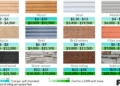
When it comes to choosing new siding materials for your home, there are several options to consider. Each type of siding material has its own set of advantages and disadvantages, so it's important to weigh these factors carefully before making a decision.Vinyl siding is a popular choice for many homeowners due to its affordability and low maintenance requirements.
It is durable, easy to clean, and comes in a variety of colors and styles. However, it may not be as resistant to extreme weather conditions as other materials.Wood siding offers a timeless, natural look that can enhance the aesthetic appeal of a home.
It is a good insulator and can withstand the elements well when properly maintained. However, it requires more upkeep than other materials and can be more susceptible to rot and pests
It is resistant to fire, rot, and pests, making it a low-maintenance choice for many homeowners. However, it can be more expensive than other materials.
Factors to Consider When Selecting the Right Siding Material
- Climate: Consider the weather conditions in your area and choose a siding material that can withstand them.
- Style: Think about the architectural style of your home and select a siding material that complements it.
- Budget: Determine how much you are willing to spend on new siding and choose a material that fits within your budget.
Benefits of Energy-Efficient Siding Options
Energy-efficient siding options, such as insulated vinyl or fiber cement siding, can help improve the insulation of your home and reduce energy costs. These materials are designed to keep heat inside during the winter and outside during the summer, making your home more comfortable year-round.
Additionally, they can help reduce your carbon footprint and contribute to a more environmentally friendly living space.
Installing New Siding
Installing new siding on a house is a crucial step in the renovation process. It not only enhances the appearance of the home but also provides protection against the elements. Proper installation is key to ensuring the longevity and durability of the siding.
Proper Alignment and Fastening Techniques
- Start by installing the first piece of siding at the lowest point of the wall, ensuring it is level.
- Use a level to check the alignment of each subsequent piece to avoid any crooked or uneven siding.
- Fasten the siding securely to the wall studs using nails or screws, making sure to follow the manufacturer's guidelines for spacing and placement.
- Consider using a nail gun for faster and more consistent fastening.
Common Mistakes to Avoid
- Avoid overdriving or underdriving nails, as this can lead to loose or damaged siding.
- Do not ignore proper ventilation requirements, as inadequate airflow can result in moisture buildup and mold growth behind the siding.
- Avoid installing siding too tightly, as it needs room to expand and contract with changes in temperature.
- Ensure all seams are properly sealed to prevent water infiltration.
Importance of Ventilation and Moisture Control
Proper ventilation is essential when installing new siding to prevent issues like mold, mildew, and rot. Without adequate airflow, moisture can become trapped behind the siding, causing damage to the structure of the house. Be sure to follow the manufacturer's recommendations for ventilation and moisture control to ensure the longevity of your new siding.
Last Point
In conclusion, redoing the siding on your house is a rewarding endeavor that not only enhances the aesthetic appeal but also improves the functionality and efficiency of your home. With the right tools, knowledge, and dedication, you can elevate your living space to new heights of elegance and charm.
Begin your renovation journey today and witness the remarkable transformation unfold before your eyes.
FAQ Corner
What tools and materials are needed for redoing siding on a house?
Common tools include a hammer, circular saw, measuring tape, and a utility knife. Materials needed may include siding panels, nails, caulk, and insulation.
How important is it to assess the condition of existing siding before starting the redo project?
Assessing the condition helps identify any underlying issues or damage that need attention. It ensures a smooth renovation process and helps in determining the extent of work required.
What are the benefits of energy-efficient siding options?
Energy-efficient siding can improve insulation, reduce energy costs, and create a more comfortable indoor environment by regulating temperature fluctuations.