
When it comes to replacing house siding cost, there are various factors and considerations that come into play. From materials to labor costs, the process can be complex but rewarding. Let's dive into the details of what influences the cost and how you can navigate through it all.
Exploring the types of materials, cost breakdowns, and DIY versus professional installation options, this guide will help you make informed decisions when it comes to your house siding.
Factors influencing the cost of replacing house siding
When it comes to replacing house siding, the cost can vary based on several factors. Understanding these factors can help homeowners make informed decisions and budget effectively for the project.
Types of house siding materials and their cost implications
Different types of house siding materials come with varying costs. For example, vinyl siding is generally more affordable compared to fiber cement or wood siding. The material chosen will significantly impact the overall cost of the replacement project.
Impact of house size on the total cost of siding replacement
The size of the house plays a crucial role in determining the total cost of siding replacement. A larger house will require more materials and labor, leading to higher expenses compared to a smaller home.
Complexity of the project affecting the overall cost
The complexity of the project, such as the presence of intricate architectural details or the need for additional preparation work, can drive up the overall cost of siding replacement. More complex projects often require more time and specialized skills, contributing to higher costs.
Labor costs for siding replacement based on location and season
Labor costs for siding replacement can vary based on the location of the property and the season in which the work is being done. Labor rates may be higher in areas with a higher cost of living, and prices can fluctuate depending on the demand for services during peak seasons.
Estimating the cost of replacing house siding
When estimating the cost of replacing house siding, it is important to consider various factors that can influence the overall expenses. From the type of siding material to additional costs that may arise during the project, understanding the breakdown of costs is essential for homeowners.
Breakdown of typical costs involved in siding replacement
- Materials: The cost of siding materials can vary significantly depending on the type chosen, such as vinyl, wood, fiber cement, or metal.
- Labor: Hiring contractors for the installation of the new siding will incur labor costs, which can also vary based on the complexity of the job.
- Permits and fees: Some municipalities may require permits for siding replacement, adding to the overall cost.
Average cost per square foot for different siding materials
| Siding Material | Average Cost per Square Foot |
|---|---|
| Vinyl | $3
|
| Wood | $5
|
| Fiber Cement | $6
|
| Metal | $7
|
Tips for obtaining accurate quotes from contractors
- Get multiple quotes: Reach out to several contractors to compare prices and services offered.
- Ask for a detailed breakdown: Request a written estimate that Artikels all costs involved in the project.
- Check references: Research the contractor's reputation and ask for references from past clients.
Potential additional costs that homeowners should consider
- Repair work: If there is damage to the underlying structure of the home, additional repair costs may be necessary.
- Trim and finishing touches: Adding trim or other decorative elements can increase the overall cost of the project.
- Cleanup and disposal: Proper disposal of old siding and debris may require additional labor and fees.
DIY vs. professional installation for house siding replacement
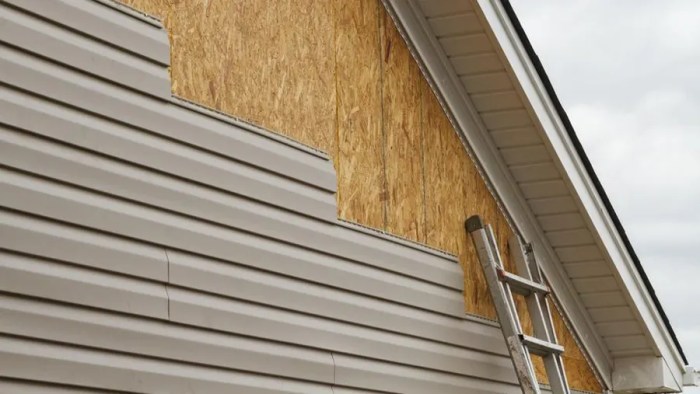
When it comes to replacing house siding, homeowners often face the decision of whether to tackle the project themselves or hire professionals. Both options have their own set of cost implications, risks, and benefits that need to be carefully considered.
Cost Implications
- DIY: Opting for a do-it-yourself approach can potentially save you money on labor costs. However, you need to factor in the cost of purchasing or renting tools and materials, which can add up.
- Professional: Hiring professionals may come with a higher upfront cost due to labor expenses, but it can ensure a quicker and more efficient installation process.
Risks and Benefits
- DIY: The main benefit of DIY siding replacement is cost savings. However, the risks include potential mistakes that could lead to costly repairs in the future if not done correctly.
- Professional: Professionals have the expertise and experience to ensure a high-quality installation. The risk here lies in finding reputable contractors and potentially higher costs.
Tools and Skills Required for DIY
- Tools: Common tools needed for DIY siding replacement include a hammer, tape measure, level, circular saw, and nail gun.
- Skills: Basic carpentry skills and knowledge of siding installation techniques are essential for a successful DIY project.
When to Hire Professionals
- Complex Projects: If your house has unique architectural features or requires extensive repairs, it's best to hire professionals who can handle the job efficiently.
- Time Constraints: If you have limited time to dedicate to the project or lack the necessary skills, hiring professionals can ensure a timely completion.
Financing options for replacing house siding
When it comes to financing the replacement of house siding, homeowners have several options to consider. Each option has its own set of pros and cons, so it's important to weigh them carefully before making a decision.
Using Loans for Siding Replacement
One common way to finance a siding replacement project is by taking out a loan. This can be a personal loan, a home improvement loan, or a home equity loan. While loans provide upfront funds for the project, they also come with interest rates and monthly payments that need to be factored into the budget.
Using Credit Cards for Siding Replacement
Another option for financing siding replacement is using credit cards. While this can provide a quick and convenient way to pay for the project, it's important to be mindful of high interest rates that can add up quickly if the balance is not paid off promptly.
Using Home Equity for Siding Replacement
Homeowners can also tap into their home equity to finance siding replacement. This can be done through a home equity loan or a home equity line of credit (HELOC). While using home equity can offer lower interest rates compared to other options, it's essential to consider the risk of potentially losing your home if payments are not made.
Government Incentives and Rebates for Siding Replacement
Some government incentives or rebates may be available to help offset the costs of siding replacement. These can include energy efficiency incentives, tax credits, or rebates for choosing environmentally friendly materials. It's worth exploring these options to see if any apply to your project.
Tips for Budgeting and Planning for Siding Replacement Financing
- Calculate the total cost of the siding replacement project, including materials, labor, and any additional expenses.
- Research different financing options and compare interest rates and terms to find the best fit for your financial situation.
- Create a detailed budget that Artikels how you will pay for the project, including monthly payments if using a loan or credit card.
- Consider setting aside a contingency fund for unexpected expenses that may arise during the project.
- Consult with a financial advisor if needed to ensure you are making the best decision for your overall financial health.
Final Conclusion
In conclusion, understanding the cost of replacing house siding is crucial for homeowners looking to renovate or upgrade their property. By weighing the factors discussed and exploring the options available, you can make the best choice for your home.
FAQ Summary
What are the most cost-effective siding materials?
Answer: Vinyl and fiber cement are often considered cost-effective options due to their durability and low maintenance requirements.
How can I estimate the total cost of replacing house siding?
Answer: You can estimate the cost by calculating the square footage of your house and multiplying it by the average cost per square foot of the chosen siding material.
Is DIY siding replacement a good idea?
Answer: DIY siding replacement can be cost-effective but requires specific tools and skills. It's advisable for homeowners with experience in home improvement projects.
What financing options are available for house siding replacement?
Answer: Home equity loans, personal loans, and government incentives are common financing options to consider for siding replacement projects.