
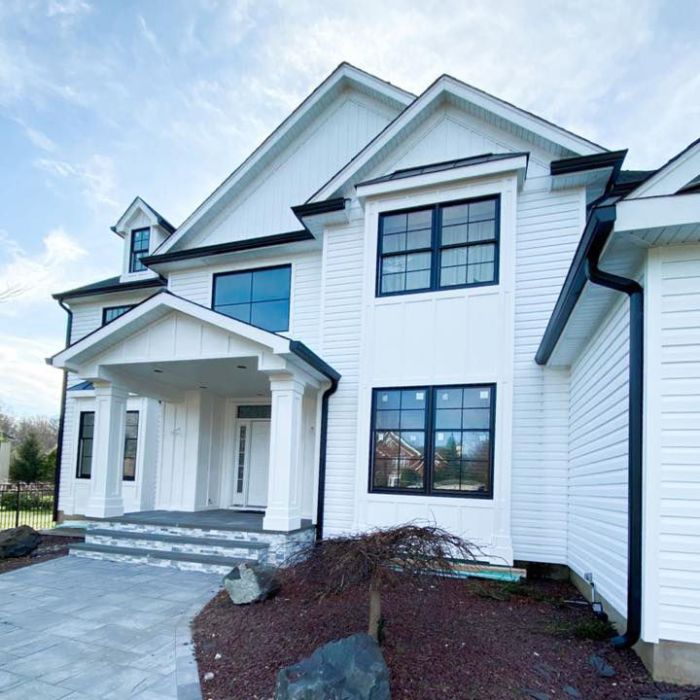
White siding with black trim is a design choice that exudes elegance and sophistication. The striking contrast between the two colors can elevate the exterior of any building, creating a modern and timeless look. Let's delve into the world of white siding with black trim and explore its benefits, material options, installation process, and maintenance tips.
Benefits of White Siding with Black Trim
White siding with black trim is a classic color combination that offers numerous benefits for the exterior of a building.
Aesthetic Appeal
The contrast between the bright white siding and the bold black trim creates a striking visual impact that instantly catches the eye. This combination offers a clean and sophisticated look that can elevate the overall appearance of any property.
Enhanced Exterior
- The crisp contrast between the white siding and black trim helps define architectural features and adds dimension to the facade of a building.
- Black trim can highlight windows, doors, and other design elements, while the white siding serves as a neutral backdrop that allows the trim to stand out.
Modern and Timeless Look
- White siding with black trim is a versatile color scheme that can adapt to various architectural styles, from traditional to contemporary.
- This combination exudes a modern elegance while maintaining a timeless appeal that won't go out of style.
Choosing the Right Materials
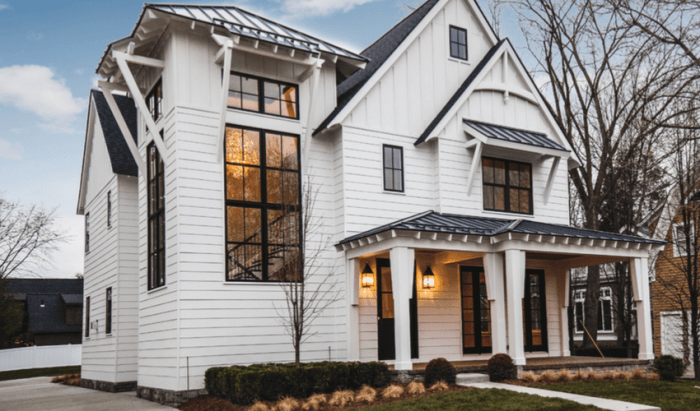
When it comes to selecting materials for white siding and black trim, it is essential to consider factors such as durability and maintenance requirements to ensure a long-lasting and aesthetically pleasing exterior for your home.
Materials for White Siding
- Vinyl: Vinyl siding is a popular choice due to its affordability, easy maintenance, and variety of styles and colors. It is also durable and resistant to fading.
- Fiber Cement: Fiber cement siding offers the look of wood without the maintenance. It is resistant to rot, pests, and fire, making it a durable option for white siding.
- Wood: Wood siding provides a natural and classic look to a home. However, it requires more maintenance, including painting or staining to protect it from the elements.
Materials for Black Trim
- Wood: Wood trim offers a traditional and elegant look to a home. It can be painted or stained to match the desired aesthetic but requires regular maintenance to prevent rot and decay.
- PVC: PVC trim is a low-maintenance option that is resistant to moisture, insects, and rot. It can be easily painted to achieve the desired color scheme.
- Aluminum: Aluminum trim is lightweight, durable, and resistant to rust and corrosion. It is available in a variety of finishes, including black, for a sleek and modern look.
Durability and Maintenance
When considering materials for white siding and black trim, it is important to assess their durability and maintenance requirements. Vinyl siding and PVC trim are low-maintenance options that are resistant to fading, rot, and pests. Fiber cement siding and aluminum trim offer durability and resistance to the elements but may require occasional repainting or touch-ups.
Wood siding and trim provide a natural and traditional look but require more maintenance to protect against moisture and decay.
Installation Process
Installing white siding with black trim can significantly enhance the curb appeal of your home. Here is a step-by-step guide to help you achieve a seamless and professional installation.
Preparation
- Ensure the surface is clean and free of any debris or dust before starting the installation process.
- Measure and cut the white siding and black trim pieces accurately to fit the dimensions of your home.
- Prepare all the necessary tools and equipment, including a level, hammer, nails, and a saw.
Installation
- Start by installing the white siding panels from the bottom up, ensuring they are level and properly aligned.
- Secure the siding panels in place using nails, making sure to leave a small gap between each panel for expansion.
- Next, install the black trim pieces around windows, doors, and corners to add contrast and definition to the white siding.
- Use a level to ensure the trim pieces are straight and evenly spaced.
Finishing Touches
- Once all the siding and trim pieces are installed, caulk any gaps or seams to prevent water infiltration and improve the overall appearance.
- Consider painting the nail heads to match the color of the siding for a seamless finish.
- Step back and inspect the installation to ensure everything looks uniform and aesthetically pleasing.
Common Challenges and Tips
- Challenge: Warping or buckling of siding panels. Solution: Ensure the panels are properly nailed and allow for expansion during temperature changes.
- Challenge: Inaccurate measurements leading to ill-fitting pieces. Tip: Double-check all measurements before cutting to avoid wastage.
- Challenge: Uneven trim placement. Tip: Use a level and take your time to ensure precise and uniform installation.
Maintenance and Care
Maintaining white siding and black trim is essential to preserve their appearance and prolong their lifespan. Regular care and attention can help prevent issues such as chipping paint or discoloration, keeping your home looking fresh and appealing for years to come.
Cleaning White Siding and Black Trim
- Regularly clean white siding and black trim with a mixture of mild soap and water to remove dirt and grime. Avoid using harsh chemicals or abrasive cleaners that can damage the surfaces.
- Rinse the siding and trim thoroughly with clean water after cleaning to ensure all soap residue is removed.
- For stubborn stains, consider using a soft brush or sponge to gently scrub the affected area. Avoid using abrasive tools that can scratch or damage the surfaces.
- Inspect the siding and trim periodically for mold or mildew growth, especially in areas with high moisture. Use a solution of water and bleach to remove any mold or mildew, following safety precautions and manufacturer recommendations.
Addressing Issues
- For chipping paint on white siding or black trim, sand the affected area lightly to smooth out the surface. Apply a primer and touch-up paint to cover the chips and protect the surfaces from further damage.
- If you notice discoloration on the siding or trim, consider using a specialized cleaner or restorer designed for the specific material. Follow the manufacturer's instructions carefully to restore the original color and finish.
- Regularly inspect the caulking and seals around windows, doors, and corners to ensure they are intact and in good condition. Repair any damaged caulking promptly to prevent water infiltration and potential damage to the siding and trim.
Final Conclusion
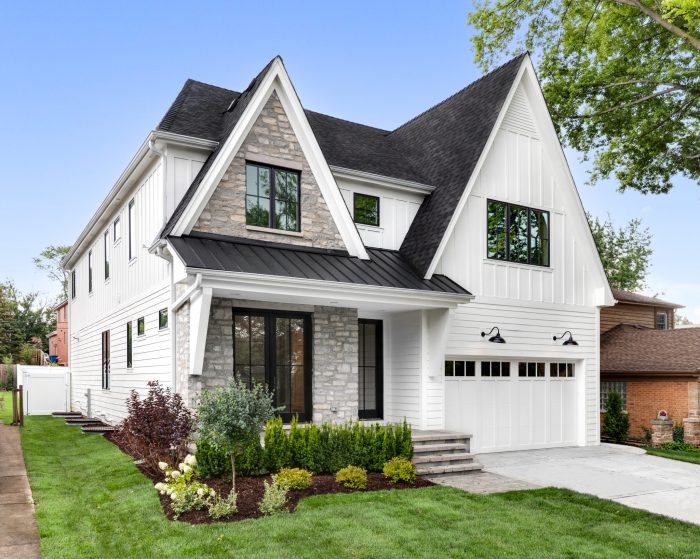
In conclusion, white siding with black trim offers a stunning aesthetic appeal that can transform any property. By choosing the right materials, ensuring a seamless installation, and following proper maintenance practices, you can keep your white siding and black trim looking fresh and appealing for years to come.
Embrace this classic combination to enhance the beauty of your home or building.
Commonly Asked Questions
What are the benefits of choosing white siding with black trim?
White siding paired with black trim offers a visually appealing contrast that enhances the exterior of a building, creating a modern and timeless look.
What materials are commonly used for white siding and black trim?
Materials such as vinyl, fiber cement, and wood are popular choices for white siding, while black trim is often made of materials like PVC or metal.
How can I ensure a professional installation of white siding with black trim?
Follow the step-by-step installation process carefully, use high-quality materials, and consider hiring professional installers for a seamless finish.
What maintenance tasks are required to keep white siding and black trim looking fresh?
Regular cleaning, addressing chipping paint or discoloration promptly, and following best practices for maintenance can help preserve the appearance of white siding and black trim.