
Delve into the realm of residential construction bids, where intricate details and strategic decisions shape the landscape of the construction industry. This introductory passage sets the stage for an enlightening exploration into the world of bidding and pricing in the realm of residential projects.
As we navigate through the key aspects and factors influencing residential construction bids, a deeper understanding unfolds, shedding light on the nuances of this critical process.
Overview of Residential Construction Bids
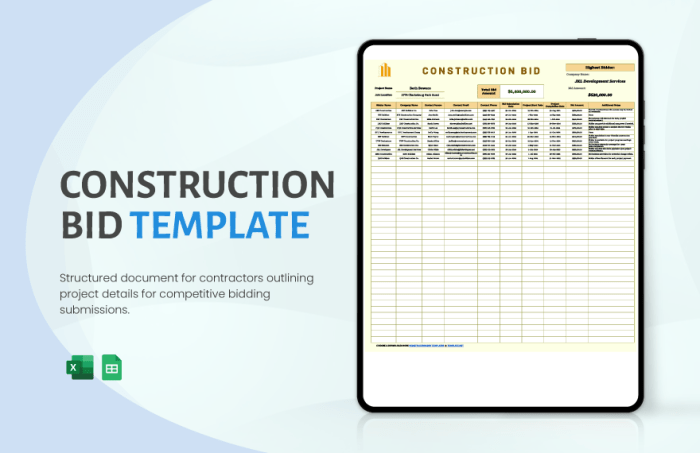
Residential construction bids play a crucial role in the construction industry as they are formal proposals submitted by contractors to potential clients outlining the cost and scope of a residential construction project. These bids are essential for clients to compare different proposals and select the best contractor for their project.
Significance of Residential Construction Bids
Residential construction bids are significant as they provide transparency and clarity in terms of project cost, timeline, and scope. They help clients make informed decisions by allowing them to evaluate different proposals and choose the contractor that best fits their needs and budget.
- Bids serve as a legal document outlining the contractor's commitment to completing the project as per the agreed terms and conditions.
- They help prevent misunderstandings and disputes by clearly defining the scope of work, materials to be used, and project timeline.
- Clients can use bids to negotiate with contractors and ensure they are getting the best value for their money.
Components of a Residential Construction Bid
A typical residential construction bid includes several key components that provide detailed information about the project and the contractor's proposal.
- Scope of Work:This section Artikels the specific tasks and responsibilities of the contractor, detailing what will be included in the project.
- Cost Breakdown:The bid includes a detailed breakdown of costs, such as labor, materials, permits, and any additional expenses.
- Timeline:Contractors provide an estimated timeline for completing the project, including start and end dates for different phases of construction.
- Payment Schedule:The bid specifies how and when payments will be made, including any deposit requirements or milestone payments.
- Insurance and Licensing:Contractors typically include information about their insurance coverage, licensing, and certifications to demonstrate their qualifications for the project.
Factors Influencing Residential Construction Bids
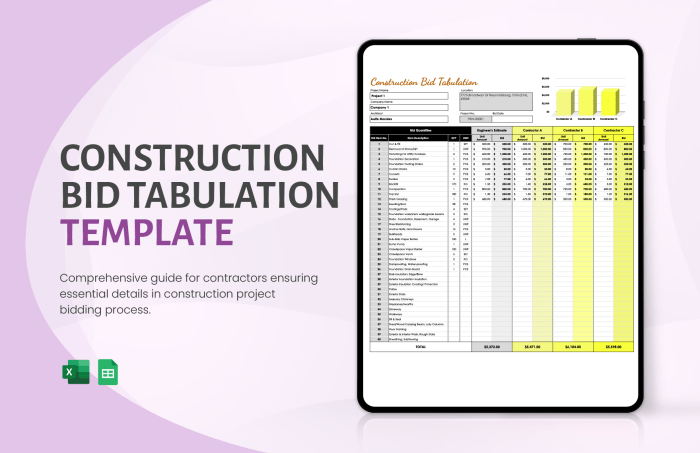
When it comes to residential construction bids, several key factors come into play that can significantly influence the bidding process. These factors can range from project size and complexity to the role of location and regional factors.
Project Size and Complexity
The size and complexity of a residential construction project play a crucial role in determining the bids submitted by contractors. Larger and more complex projects often require more resources, specialized skills, and time commitment, which can impact the overall cost of the project.
Contractors may factor in these aspects when preparing their bids, leading to higher estimates for projects with greater size and complexity.
Location and Regional Factors
The location of a residential construction project can also have a significant impact on the bidding process. Factors such as local building codes, zoning regulations, availability of materials, labor costs, and market demand can vary from one region to another, influencing the overall cost of construction.
Contractors operating in different regions may adjust their bids accordingly to account for these location-specific factors.
Preparation and Submission of Residential Construction Bids
Preparing and submitting residential construction bids involves several key steps to ensure accuracy and competitiveness. It is essential to follow best practices in estimating costs and meeting deadlines for bid submissions.
Steps in Preparing a Comprehensive Bid
- 1. Review the project plans and specifications carefully to understand the scope of work.
- 2. Conduct a thorough site visit to assess the conditions and any potential challenges.
- 3. Develop a detailed cost estimate by itemizing all materials, labor, equipment, and subcontractor costs.
- 4. Consider any overhead costs, profit margins, and potential risks to account for in the bid.
- 5. Prepare a comprehensive bid proposal outlining the scope of work, timeline, and pricing details.
Best Practices for Estimating Costs
- 1. Utilize historical data from past projects to inform your cost estimates.
- 2. Obtain multiple quotes from suppliers and subcontractors to ensure competitive pricing.
- 3. Consider factors such as market conditions, inflation, and project complexity when determining costs.
- 4. Use cost estimating software or tools to help streamline the process and improve accuracy.
- 5. Regularly review and update your cost estimates as the project progresses to avoid cost overruns.
Timeline and Deadlines for Bid Submissions
- 1. Determine the deadline for bid submissions based on the project timeline and the client's requirements.
- 2. Allocate sufficient time for reviewing and finalizing the bid proposal to ensure accuracy.
- 3. Submit the bid ahead of the deadline to allow for any unforeseen delays or technical issues.
- 4. Follow up with the client after submitting the bid to confirm receipt and address any questions or concerns.
- 5. Prepare to negotiate terms and pricing if your bid is shortlisted for further consideration.
Understanding Bid Evaluation in Residential Construction
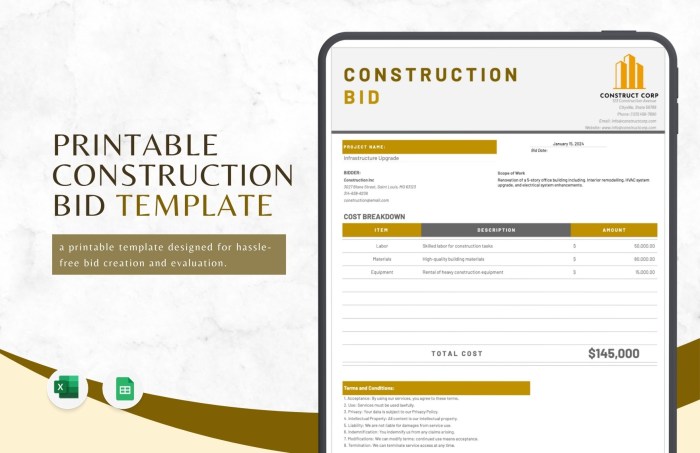
When it comes to residential construction projects, the process of evaluating bids plays a crucial role in determining which contractor will be awarded the project. The bid evaluation process involves assessing and comparing different proposals to select the most suitable one based on various criteria.
Common Criteria for Assessing Residential Construction Bids
- Price: One of the primary factors considered in bid evaluation is the overall cost proposed by the contractor. This includes the cost of materials, labor, equipment, and any additional expenses.
- Experience and Reputation: The contractor's past experience, expertise, and reputation in the industry are important factors that impact the evaluation process. Clients often prefer contractors with a proven track record of successful projects.
- Timeline and Schedule: The proposed timeline for completing the project is another key criterion. Contractors must demonstrate their ability to deliver the project within the specified timeframe.
- Quality of Work: The quality of work proposed by the contractor, including the materials to be used and the overall craftsmanship, is crucial in bid evaluation. Clients seek high-quality results that meet their expectations.
Importance of Transparency and Fairness
The bid evaluation process must be transparent and fair to ensure that all participating contractors have an equal opportunity to compete. Transparency helps build trust between the client and the contractors, while fairness ensures that the best proposal is selected based on merit rather than bias.
It is essential to establish clear evaluation criteria and communicate them effectively to all bidders to maintain transparency and fairness throughout the process.
Last Point
In conclusion, the intricate dance of factors influencing residential construction bids unveils a complex yet fascinating process. From preparation to evaluation, each step plays a crucial role in shaping the outcome of a project bid.
Questions and Answers
What are residential construction bids?
Residential construction bids are proposals submitted by contractors to compete for a construction project by detailing the cost and scope of work.
How do project size and complexity impact the bidding process?
Project size and complexity can influence the bidding process by affecting the resources and expertise required, which in turn can impact the overall cost estimates.
What are the typical components of a residential construction bid?
A residential construction bid usually includes a detailed breakdown of costs, project timeline, materials to be used, labor requirements, and any specific terms and conditions.