
Delve into the realm of average house siding cost as we uncover the various factors influencing pricing, popular types of siding along with their costs, additional expenses to consider, and cost-saving strategies. Let's embark on this informative journey together.
Factors Affecting Average House Siding Cost
When considering the average cost of house siding, several factors come into play that can significantly impact the overall price. Understanding these factors can help homeowners make informed decisions when planning for siding installation or replacement.
Material Type Influence on Cost
The material used for house siding plays a crucial role in determining the overall cost. Different materials come with varying price points, durability, maintenance requirements, and aesthetic appeal. For example, vinyl siding tends to be more affordable compared to fiber cement or natural wood siding options.
However, premium materials like cedar or redwood can significantly increase the overall cost due to their quality and longevity.
Impact of House Size on Siding Cost
The size of the house directly affects the amount of siding material needed for installation. Larger homes will require more square footage of siding, leading to higher material costs. Additionally, larger houses may also require more labor hours for installation, further increasing the overall cost.
Conversely, smaller homes will naturally have lower siding costs due to less material and labor needed.
Role of Labor Expenses
Labor expenses are a significant component of the overall house siding cost. The complexity of the siding installation, the skill level of the workers, and the time required for the project all contribute to labor costs. Additionally, factors such as location, seasonality, and contractor experience can also impact labor expenses.
It's essential to factor in labor costs when budgeting for house siding to ensure a realistic estimate of the total project cost.
Popular Types of House Siding and Their Costs
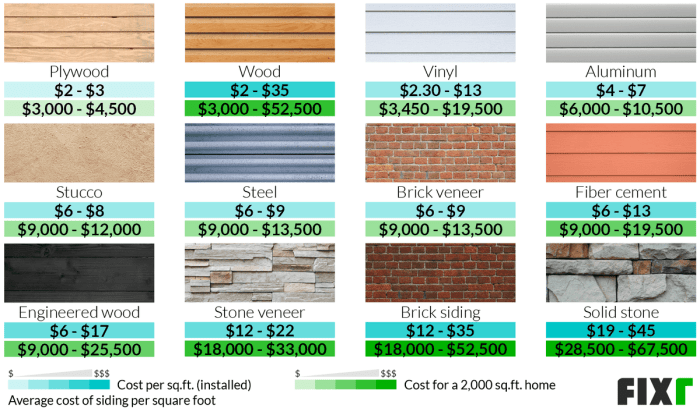
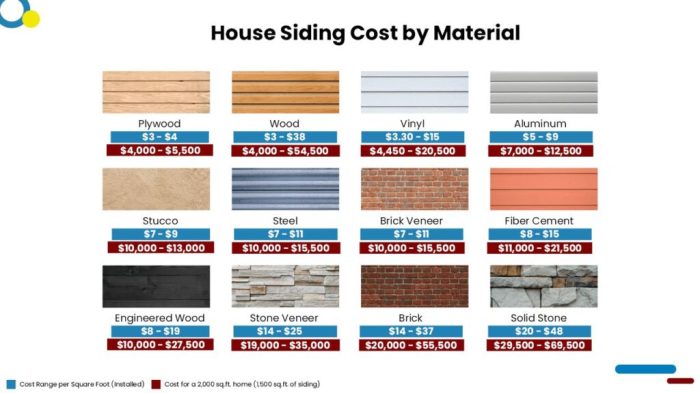
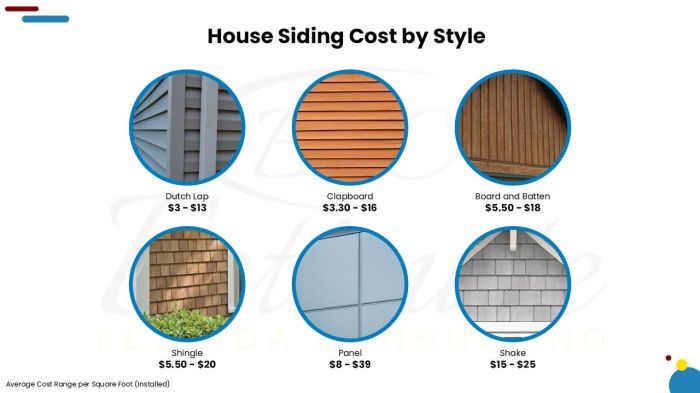
When it comes to choosing the right siding for your home, there are various options available, each with its own costs and benefits. Let's take a closer look at some popular types of house siding and their associated costs.
Cost Breakdown for Vinyl Siding
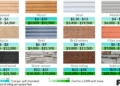
Vinyl siding is a popular choice for many homeowners due to its affordability and low maintenance requirements. On average, the cost of vinyl siding installation ranges from $2 to $7 per square foot. This means that for a typical 1,500 square foot home, you can expect to pay anywhere from $3,000 to $10,500 for vinyl siding installation.
Average Cost Range for Fiber Cement Siding
Fiber cement siding is known for its durability and resistance to rot and pests. The average cost of fiber cement siding installation typically falls between $5 to $12 per square foot. For a 1,500 square foot home, this translates to a total cost of $7,500 to $18,000 for fiber cement siding.
Cost Differences between Wood and Metal Siding Options
Wood siding is a classic choice that provides a natural and timeless look to a home. However, wood siding can be more expensive to install compared to other options, with costs ranging from $6 to $15 per square foot. On the other hand, metal siding, such as aluminum or steel, is a more affordable alternative with installation costs averaging between $4 to $10 per square foot.
Additional Costs to Consider
When budgeting for house siding, it's essential to take into account various additional costs that can impact the overall project expenses. From removing old siding to the installation of trim, fascia, and soffits, these factors can significantly contribute to the total cost of your siding project.
Cost of Removing Old Siding
When installing new siding, the cost of removing the old siding should be factored into your budget
It's essential to get quotes from professionals to accurately estimate this cost.
Impact of Insulation Costs
Insulation is a crucial component of any siding project as it helps improve energy efficiency and reduce heating and cooling costs. The type and quality of insulation you choose can impact the overall project budget. Higher quality insulation may come at a higher cost initially but can lead to long-term savings on energy bills.
Trim, Fascia, and Soffits
In addition to the siding material itself, the cost of trim, fascia, and soffits should also be considered when budgeting for your project. These elements provide a finished look to your home's exterior and help protect the edges of the siding.
The cost of trim, fascia, and soffits can vary depending on the material, size, and complexity of the design.
Cost-saving Tips and Strategies
When it comes to reducing the overall cost of house siding, there are various strategies and tips that homeowners can utilize. By implementing these cost-saving measures, you can lower expenses without compromising on the quality and durability of your siding.
DIY Siding Installation
One effective way to save on labor costs is by considering a do-it-yourself (DIY) approach to siding installation. While this option may require more time and effort on your part, it can significantly reduce the overall expenses associated with hiring professional contractors.
However, it is important to ensure that you have the necessary skills and tools to complete the installation correctly to avoid any costly mistakes.
Negotiating Prices with Contractors
Another cost-saving strategy is to negotiate prices with contractors before agreeing to any contracts. By obtaining multiple quotes from different contractors and comparing their offers, you can leverage this information to negotiate a better deal. Additionally, consider asking for discounts, promotions, or flexible payment options to further reduce the overall cost of your siding project.
Investing in High-Quality, Durable Siding Materials
While it may require a higher upfront investment, opting for high-quality and durable siding materials can lead to long-term cost savings. Quality materials are more resistant to wear and tear, requiring less frequent repairs and replacements over time. By investing in durable siding materials, homeowners can avoid additional costs associated with maintenance and replacements, ultimately saving money in the long run.
Final Summary
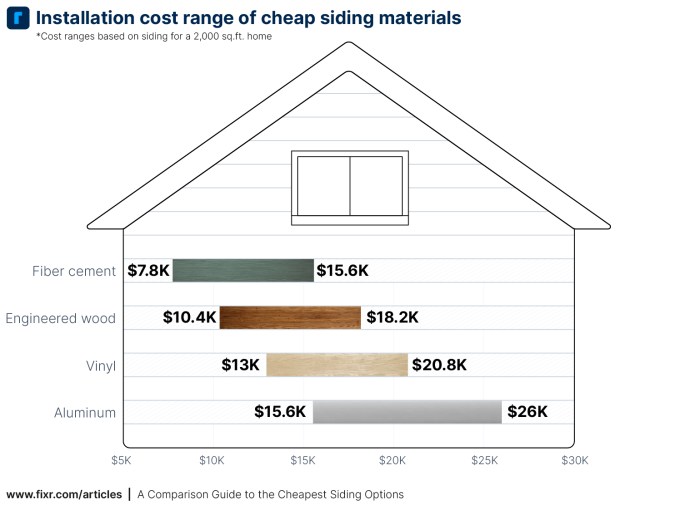
In conclusion, understanding the average house siding cost involves a comprehensive look at material types, labor expenses, and additional costs. By implementing cost-saving tips and strategies, homeowners can make informed decisions when investing in their property's siding.
Quick FAQs
What factors influence the average house siding cost?
Material type, house size, and labor expenses are key factors affecting the overall cost of house siding.
What are some popular types of house siding and their costs?
Vinyl siding, fiber cement siding, wood, and metal siding each come with their own cost breakdowns.
Are there additional costs to consider when calculating the total siding cost?
Yes, expenses related to removing old siding, insulation costs, and trim installations can add to the overall project budget.
What are some cost-saving tips for house siding projects?
DIY installation, negotiating prices with contractors, and investing in high-quality, durable materials can help reduce overall costs.