
Embark on a journey through the world of Frank Lloyd Wright homes, where architectural brilliance meets timeless design. From innovative concepts to nature-inspired elements, these homes are a true reflection of the renowned architect's vision and creativity.
Delve deeper into the unique features and history that set Frank Lloyd Wright homes apart from the rest.
Overview of Frank Lloyd Wright Homes
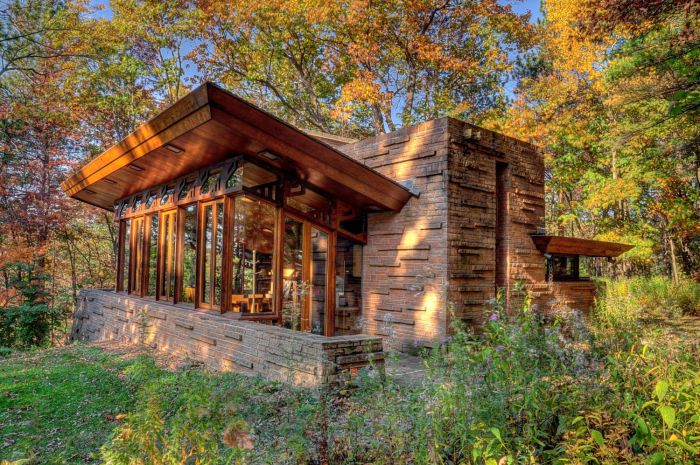
Frank Lloyd Wright homes are known for their unique architectural style that blends nature with modern design elements. Wright believed in creating structures that harmonized with their natural surroundings, often using materials like wood and stone to achieve this effect.
Architectural Style
Frank Lloyd Wright's architectural style is characterized by open floor plans, horizontal lines, and a focus on integrating the interior and exterior spaces. He believed in organic architecture, where the building should be in harmony with its environment. Wright also popularized the use of geometric shapes, like triangles and squares, in his designs.
History of Influence
Frank Lloyd Wright's influence on home design can be seen in his development of the Prairie School style, which emphasized horizontal lines, flat roofs, and open interior spaces. His work also laid the foundation for the modernist movement in architecture, inspiring future architects to rethink traditional design principles.
Key Features
Some key features that make Frank Lloyd Wright homes unique include cantilevered roofs, large windows to bring in natural light, and an emphasis on craftsmanship and natural materials. Wright also incorporated built-in furniture and fixtures to create a seamless design aesthetic throughout the home.
Popular Frank Lloyd Wright Home Designs
Frank Lloyd Wright, a renowned architect, is known for his innovative and iconic residential designs that have stood the test of time. Let's explore some of the most famous Frank Lloyd Wright homes and the design elements that characterize his work.
Fallingwater
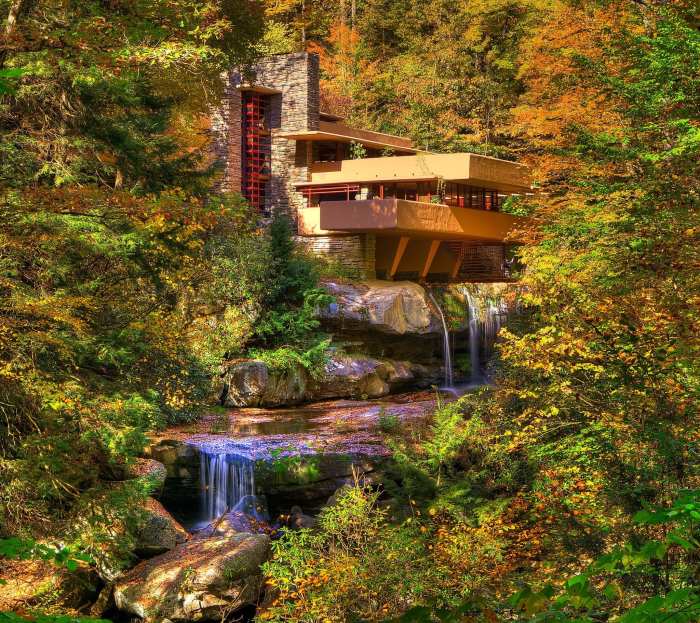
One of Frank Lloyd Wright's most famous designs, Fallingwater, showcases his belief in harmonizing architecture with nature. This stunning home in Pennsylvania is built over a waterfall, seamlessly blending into the surrounding environment. The use of cantilevered balconies and expansive windows allows residents to feel connected to the natural landscape.
Taliesin West
Taliesin West, located in Arizona, served as Wright's winter home and studio. This desert masterpiece features a low, horizontal profile that mimics the surrounding terrain. The use of natural materials like stone and wood, along with open floor plans and large windows, creates a sense of openness and integration with the desert landscape.
Robie House
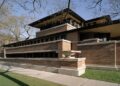
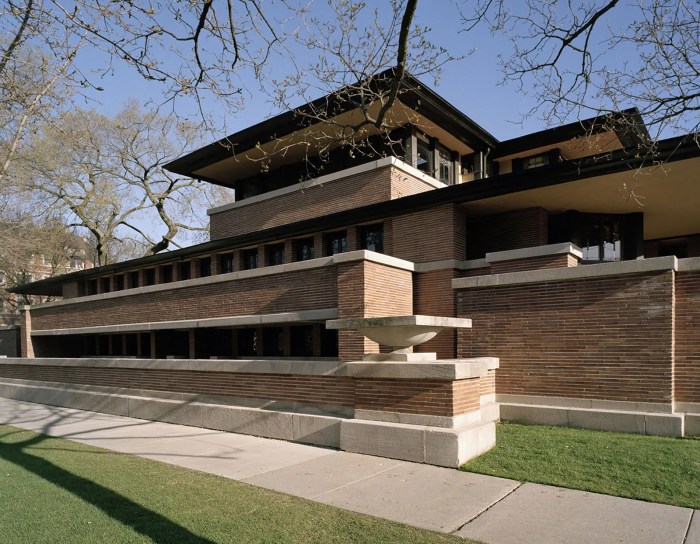
The Robie House in Chicago is a prime example of Wright's Prairie style architecture. Characterized by its horizontal lines, overhanging eaves, and open floor plan, this home emphasizes a strong connection to the outdoors. The design of the Robie House showcases Wright's belief in organic architecture, where the building and its surroundings are in perfect harmony.
Unity Temple
Unity Temple in Illinois is a masterful example of Wright's innovative approach to religious architecture. This building features geometric shapes, intricate stained glass windows, and a unique concrete exterior. The design of Unity Temple reflects Wright's philosophy of creating spaces that inspire spiritual connection and contemplation.Overall, Frank Lloyd Wright's residential designs are characterized by a deep integration of nature and architecture.
From his use of natural materials and open floor plans to his emphasis on connecting indoor spaces with the outdoors, Wright's homes continue to inspire and captivate admirers around the world.
Interior Features of Frank Lloyd Wright Homes
Frank Lloyd Wright's architectural designs not only focused on the exterior but also paid meticulous attention to the interior features of his homes. The interiors were designed to seamlessly blend with the surrounding environment, creating a harmonious living space that connected inhabitants with nature.
Layout and Flow
The layout of Frank Lloyd Wright homes often featured open floor plans that emphasized spaciousness and fluidity. Rooms were interconnected without the need for walls, allowing for a sense of continuity and freedom of movement within the space. Additionally, many of his designs incorporated large windows and skylights to bring natural light and the outdoors inside, further enhancing the flow of the interior space.
Use of Natural Materials
Wright was known for his use of natural materials in the interior design of his homes, such as wood, stone, and glass. These materials were chosen not only for their aesthetic appeal but also for their ability to age gracefully and blend seamlessly with the surrounding landscape.
By incorporating natural elements into his designs, Wright sought to create a sense of harmony between the built environment and nature.
Built-in Furniture and Fixtures
One of the distinctive features of Frank Lloyd Wright homes is the incorporation of built-in furniture and fixtures. Wright believed that furniture should be an integral part of the architecture, rather than mere accessories. As a result, many of his designs included built-in seating, shelving, and storage units that were seamlessly integrated into the overall design of the space.
This approach not only maximized functionality but also contributed to the overall aesthetic unity of the interior.
Preservation and Restoration of Frank Lloyd Wright Homes
Maintaining the legacy of Frank Lloyd Wright's iconic residential buildings poses unique challenges and requires careful preservation efforts to ensure their architectural significance is upheld.
Challenges of Preserving Frank Lloyd Wright Homes
- Age and deterioration of materials: Many of Wright's homes were built decades ago, leading to wear and tear that requires extensive restoration work.
- Historic preservation guidelines: Balancing modern living needs with the preservation of Wright's original designs can be a delicate process.
- Cost and funding: Restoration projects can be costly, requiring financial resources to ensure the homes are restored to their former glory.
Successful Restoration Projects of Frank Lloyd Wright Homes
- Fallingwater in Pennsylvania: Extensive restoration efforts have been made to preserve this iconic home, including repairs to the cantilevered balconies and stone work.
- Taliesin West in Arizona: Ongoing preservation work at Wright's winter home and studio ensures that the desert architecture remains true to its original design.
Significance of Maintaining Original Design Integrity
- Preserving the integrity of Wright's original designs is crucial to honoring his architectural vision and legacy.
- Ensuring that restoration efforts stay true to the original design principles helps maintain the historical and cultural value of these homes.
- By carefully preserving the unique features and architectural elements of Wright's homes, future generations can continue to appreciate his innovative approach to design.
Conclusive Thoughts
As we conclude our exploration of Frank Lloyd Wright homes, it becomes evident that these architectural wonders stand as a testament to the genius of their creator. From preservation challenges to design integrity, the legacy of Frank Lloyd Wright continues to inspire and captivate enthusiasts around the globe.
FAQs
How did Frank Lloyd Wright integrate nature into his home designs?
Frank Lloyd Wright seamlessly incorporated natural elements like stone, wood, and water features into his designs, blurring the lines between indoor and outdoor spaces.
What are some challenges faced in preserving Frank Lloyd Wright homes?
Preserving Frank Lloyd Wright homes often involves navigating complex structural issues, maintaining original materials, and ensuring adherence to the architect's design principles.
Which famous Frank Lloyd Wright homes are must-visits for architecture enthusiasts?
Iconic homes like Fallingwater, Taliesin West, and the Robie House are among the most celebrated works of Frank Lloyd Wright, showcasing his groundbreaking architectural style.