
Embarking on the journey of homewyse siding installation opens up a world of possibilities for transforming your home's exterior. From enhancing curb appeal to ensuring structural integrity, this process plays a crucial role in the overall aesthetics and functionality of your property.
Dive into this guide to discover the ins and outs of homewyse siding installation and how it can elevate your home to new heights.
Overview of Homewyse Siding Installation
Homewyse siding installation involves the process of properly fitting and securing siding materials to the exterior of a home. This can include various types of siding such as vinyl, wood, fiber cement, or metal, depending on the homeowner's preference and budget.
Proper siding installation is crucial for a home as it not only enhances the curb appeal and aesthetics but also provides protection against the elements. Well-installed siding helps to prevent water infiltration, mold growth, and structural damage, ultimately prolonging the lifespan of the home.
Benefits of Using Homewyse for Siding Installation Projects
- Cost-Effective Solutions: Homewyse offers competitive pricing and cost-effective solutions for siding installation projects, ensuring that homeowners get quality work within their budget.
- Professional Expertise: Homewyse contractors are experienced and skilled in siding installation, ensuring that the job is done correctly and efficiently.
- Time-Saving: By hiring Homewyse for siding installation, homeowners can save time and effort as the professionals handle all aspects of the project from start to finish.
- Quality Materials: Homewyse uses high-quality siding materials that are durable, long-lasting, and require minimal maintenance, providing homeowners with peace of mind.
Materials and Tools Required
To successfully complete a Homewyse siding installation, you will need a variety of materials and tools. These are essential to ensure a smooth and efficient installation process.
Materials
- Vinyl siding panels
- House wrap or moisture barrier
- Trim pieces
- Nails or screws
- Flashing
- J-channel
- Caulk
Tools
- Hammer or nail gun
- Tape measure
- Level
- Tin snips
- Siding removal tool
- Circular saw
- Safety goggles
Quality of Materials
When it comes to Homewyse siding projects, it is important to invest in high-quality materials. This ensures durability and longevity of the siding, protecting your home for years to come. Opting for premium vinyl siding panels and sturdy trim pieces can make a significant difference in the overall appearance and performance of your home's exterior.
Preparation and Planning
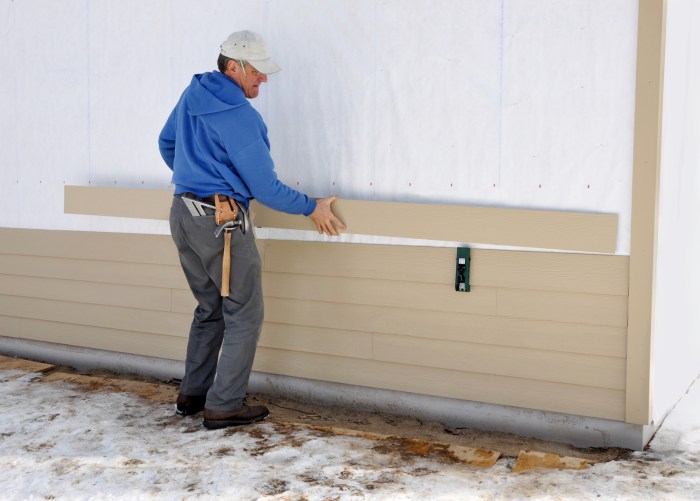
When it comes to preparing for siding installation, there are a few key steps to follow to ensure a successful project. Planning ahead is crucial to avoid any setbacks and ensure a smooth installation process.
Clearing the Area
- Remove any existing siding or debris from the area where the new siding will be installed. This includes cleaning the surface and making sure it is smooth and free of any obstacles.
- Trim any vegetation or bushes near the installation area to provide easy access for the installation crew and prevent any damage to the new siding.
Taking Measurements
- Accurately measure the dimensions of the area where the siding will be installed to determine the amount of material needed. This will help avoid any shortages or excess material.
- Consider factors such as doorways, windows, and corners when taking measurements to ensure a precise fit for the siding.
Checking for Structural Issues
- Inspect the exterior walls for any signs of damage or structural issues that need to be addressed before the siding installation. Repair any rot, mold, or water damage to ensure a stable foundation for the new siding.
- Ensure that the wall surface is flat and even to prevent any irregularities or gaps in the siding installation.
Planning the Installation Process
- Create a detailed plan outlining the sequence of installation, from preparing the surface to finishing touches. This will help streamline the process and prevent any confusion during the installation.
- Schedule the installation project at a time when weather conditions are favorable, avoiding extreme temperatures, rain, or strong winds that could impact the installation process.
Installation Process
Installing siding using the Homewyse method requires careful attention to detail and precision to ensure a professional finish. Here is a step-by-step guide to help you navigate the installation process smoothly.
Step 1: Prepare the Surface
Before installing siding, make sure the surface is clean, dry, and free of any debris or obstacles. This will ensure a smooth and even installation.
Step 2: Measure and Cut Siding Panels
Measure the area where the siding will be installed and cut the siding panels to the appropriate size using a saw or utility knife. Make sure to account for any corners or angles in the measurements.
Step 3: Install Starter Strips
Begin by installing starter strips at the bottom of the wall to provide a secure base for the siding panels. This will help ensure a straight and even installation.
Step 4: Install Siding Panels
Starting from one corner, begin installing the siding panels, making sure to overlap each panel slightly to prevent water infiltration. Use nails or screws to secure the panels to the wall.
Step 5: Finish with Trim Pieces
Finish the installation by adding trim pieces around windows, doors, and corners for a polished look. Make sure to secure the trim pieces properly to prevent them from coming loose.
Tips for Precision and Accuracy
- Double-check measurements before cutting siding panels to avoid errors.
- Use a level to ensure that the siding panels are installed perfectly straight.
- Take your time and work carefully to achieve a professional-looking finish.
Common Challenges and Solutions

Warping or buckling of siding panels
Ensure that panels are properly secured and allow for expansion and contraction.
Uneven installation
Use a level frequently and adjust as needed to maintain consistency.
Water infiltration
Seal any gaps or joints with caulk to prevent water from seeping behind the siding.
Finishing Touches and Maintenance
After the siding installation is complete, it is crucial to focus on finishing touches to ensure a polished and professional look. Additionally, proper maintenance is essential to prolong the lifespan of the siding and keep it looking its best for years to come.
Importance of Finishing Touches
- Inspect the siding for any gaps, cracks, or areas that may need caulking to prevent moisture from seeping in.
- Ensure all trim pieces are securely in place and painted to match the siding for a cohesive appearance.
- Clean the siding thoroughly to remove any dirt, dust, or debris that may have accumulated during the installation process.
Maintenance Tips for Siding
- Regularly inspect the siding for any signs of damage, such as cracks, warping, or discoloration, and address any issues promptly.
- Clean the siding at least once a year using a mild detergent and water to remove dirt and grime.
- Avoid using harsh chemicals or power washers, as they can damage the siding's surface.
Additional Treatments and Coatings
Applying a protective coating or sealant to the siding can help enhance its durability and resistance to the elements.
- Consider applying a UV-resistant coating to protect the siding from sun damage and fading.
- If you have wood siding, applying a fresh coat of paint or stain every few years can help maintain its appearance and protect it from moisture.
- For metal siding, a rust-resistant primer and paint can help prevent corrosion and extend the lifespan of the material.
Conclusive Thoughts

As we wrap up our discussion on homewyse siding installation, it's clear that this undertaking is more than just a home improvement project—it's a way to invest in the long-term durability and beauty of your property. By following the steps Artikeld in this guide and paying attention to the details, you can achieve a stunning result that will stand the test of time.
Query Resolution
What are the key benefits of choosing Homewyse for siding installation?
Homewyse offers a streamlined process, quality materials, and expert guidance to ensure a successful siding installation project.
What specialized tools are necessary for Homewyse siding installation?
Some specialized tools include a siding nailer, a circular saw, a snap lock punch, and a utility knife.
How can I maintain the siding after installation?
Regular cleaning, inspecting for damage, and promptly addressing any issues can help maintain the siding's longevity.