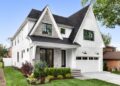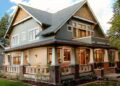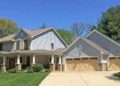

Craftsman architecture has a rich history and a unique set of characteristics that set it apart from other styles. This captivating introduction delves into the essence of Craftsman architecture, shedding light on its key elements and notable figures associated with its development.
Overview of Craftsman Architecture
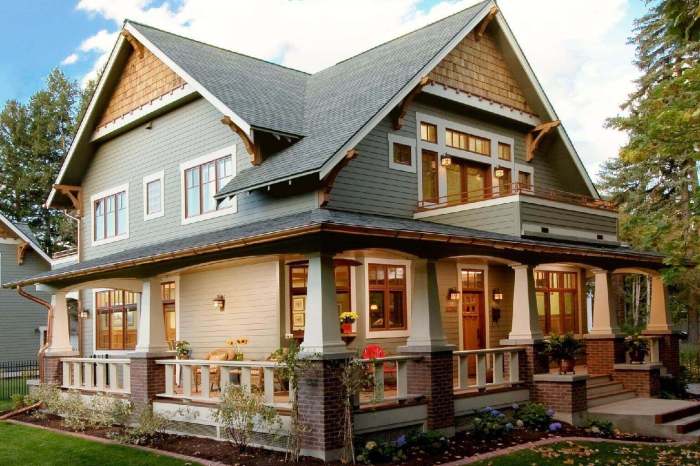
Craftsman architecture emerged in the late 19th and early 20th centuries as a response to the industrialization and mass production of the Victorian era. It was a movement that emphasized handcrafted elements, simplicity, and functionality.Key Characteristics:
Characteristics of Craftsman Architecture
- Low-pitched gable roofs with wide eaves
- Exposed rafters
- Large front porches with tapered columns
- Open floor plans with built-in furniture
- Emphasis on natural materials like wood and stone
Notable Architects:
Architects Associated with Craftsman Architecture
- Gustav Stickley: Known for his influential magazine "The Craftsman" and his furniture designs
- Greene and Greene: Renowned for their California bungalow-style Craftsman homes
- Frank Lloyd Wright: While not exclusively a Craftsman architect, his Prairie School designs influenced the movement
Elements of Craftsman Architecture
Craftsman architecture is known for its attention to detail, use of natural materials, and focus on craftsmanship. Let's delve into the key elements that define this style.
Common Materials Used
Craftsman homes often feature materials such as wood, stone, and brick. These natural materials are used to create a warm and inviting look. Wood is particularly prominent, seen in exposed beams, built-in cabinetry, and intricate woodwork throughout the home.
Design Principles
Craftsman architecture is characterized by simplicity, functionality, and quality craftsmanship. The design principles often include low-pitched gable roofs, overhanging eaves, and tapered columns or pedestals. The focus is on showcasing the beauty of natural materials and the skill of the craftsman.
Interior Features
The interior of Craftsman homes typically includes open floor plans, built-in furniture, and handcrafted details. Rooms are often connected to one another, creating a sense of flow and continuity. Other characteristic features may include exposed wooden beams, leaded glass windows, and cozy fireplaces that add to the overall charm and warmth of the space.
Craftsman Architecture vs. Other Architectural Styles
Craftsman architecture stands out among other popular architectural styles due to its unique characteristics and design elements. Let's compare and contrast Craftsman architecture with other styles to understand its significance in the world of architecture.
Craftsman Architecture vs. Victorian Architecture
Victorian architecture is known for its ornate details, asymmetrical shapes, and steep rooflines, while Craftsman architecture focuses on simplicity, natural materials, and handcrafted elements. While Victorian homes showcase elaborate decorations and vibrant colors, Craftsman homes emphasize clean lines and earthy tones.
Craftsman Architecture vs. Modern Architecture
Modern architecture prioritizes minimalism, industrial materials, and open floor plans, in contrast to the warm, cozy feel of Craftsman architecture. While modern homes often feature large windows and sleek finishes, Craftsman homes typically incorporate wood details, built-in furniture, and cozy nooks.
Unique Aspects of Craftsman Architecture
- Emphasis on handcrafted details and natural materials
- Cozy, inviting interiors with built-in furniture
- Low-pitched rooflines and wide eaves
- Use of wood elements like exposed beams and paneling
- Integration of nature through landscaping and outdoor living spaces
Influence of Craftsman Architecture on Contemporary Design Trends
Craftsman architecture has influenced contemporary design trends by inspiring a return to craftsmanship, sustainability, and a connection to nature. Elements like exposed wood, handcrafted details, and cozy interiors have become popular in modern homes, reflecting the timeless appeal of Craftsman architecture in today's design landscape.
Preservation and Restoration of Craftsman Homes
Preserving and restoring Craftsman homes is crucial to maintaining the authenticity and charm of these architectural gems. Here are some tips, challenges, and examples to consider:
Tips for Preserving Authenticity
- Research the history of the home to understand its original design and features.
- Use period-appropriate materials when making repairs or renovations.
- Avoid over-modernizing the interior or exterior of the home.
- Consult with experts in historic preservation to ensure authenticity.
Challenges in Restoring Craftsman Architecture
- Finding matching materials for restoration can be difficult due to the age of the home.
- Balancing modern amenities with historical accuracy can be a challenge.
- Costs of restoration can sometimes be higher than expected due to the specialized nature of the work.
Examples of Successful Restoration Projects
- The Gamble House in Pasadena, California, underwent a meticulous restoration to bring it back to its original glory.
- The Eastman House in Rochester, New York, is another example of a successful Craftsman home restoration project.
- The restoration of the Gustav Stickley House in Syracuse, New York, preserved the integrity of this iconic Craftsman home.
Final Review
In conclusion, Craftsman architecture stands as a testament to timeless design principles and a rich architectural heritage. With its distinctive features and influence on contemporary trends, the legacy of Craftsman architecture continues to inspire and captivate enthusiasts around the world.
FAQ Insights
What are some common materials used in Craftsman architecture?
Wood, stone, and brick are frequently used materials in Craftsman architecture to create a natural and rustic look.
How can one preserve the authenticity of Craftsman homes during restoration?
To maintain authenticity, it's essential to use original materials, preserve original features, and follow historical guidelines during restoration.
What sets Craftsman architecture apart from other popular styles?
Craftsman architecture is known for its emphasis on handcrafted details, simplicity, and integration with nature, distinguishing it from other architectural styles.