
Delving into the realm of melted siding, this brief introduction entices readers with a wealth of knowledge, promising a captivating and unique exploration of the subject.
The following paragraph will provide a detailed and informative overview of the topic at hand.
Causes of Melted Siding
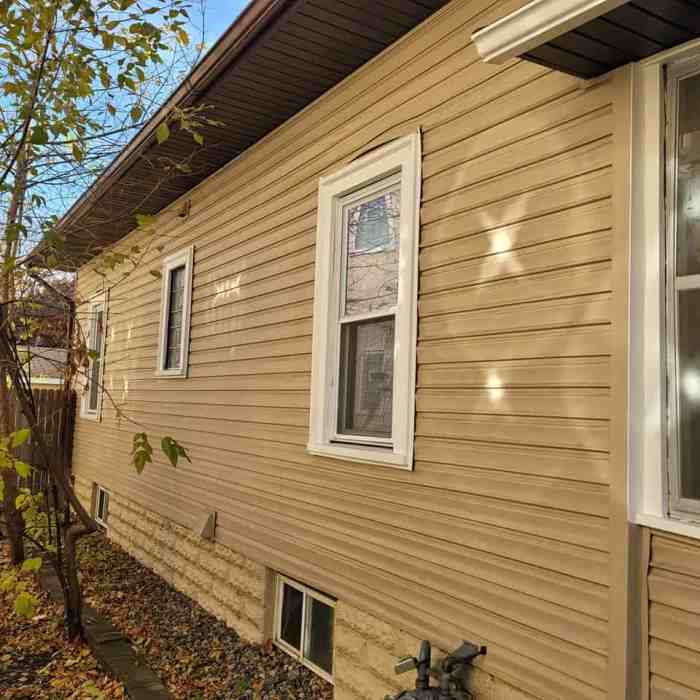
When it comes to melted siding, there are several common reasons that can lead to this issue. Understanding these causes can help homeowners prevent such damage and maintain the integrity of their property.
Extreme Heat
One of the primary reasons for melted siding is exposure to extreme heat. This can occur during hot summer months or in regions with high temperatures. When siding is exposed to intense heat for prolonged periods, it can soften and eventually melt.
Reflective Surfaces
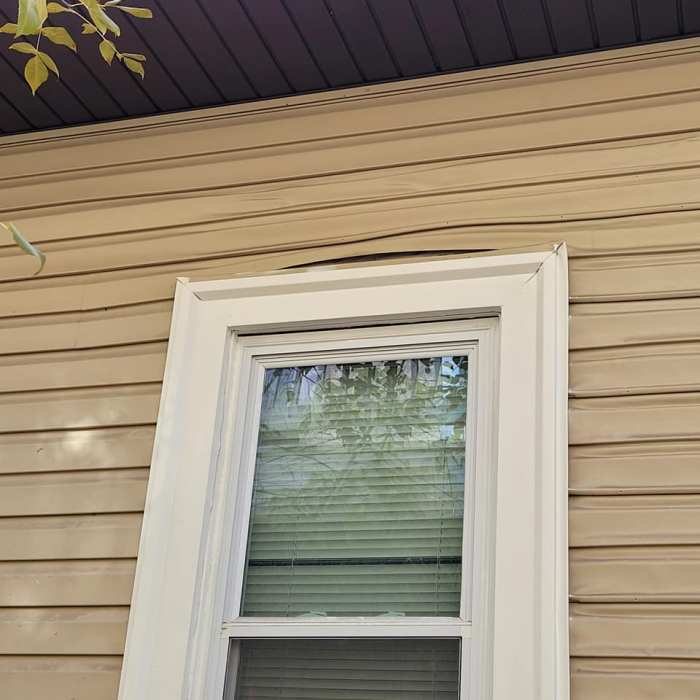
Another factor that can contribute to melted siding is the presence of reflective surfaces nearby. For instance, if a window reflects sunlight onto the siding, it can amplify the heat and cause the material to melt. This phenomenon is more likely to happen with certain types of siding materials that are sensitive to heat.
Types of Siding Prone to Melting
When it comes to siding materials, some are more prone to melting than others. Understanding the types of siding that are susceptible to melting can help homeowners make informed decisions when choosing materials for their homes.Fiber Cement Siding:Fiber cement siding, while durable and low-maintenance, is more susceptible to melting compared to other siding materials.
This type of siding is typically made of a mixture of wood fiber, cement, and sand, which can soften and deform when exposed to high temperatures.Vinyl Siding:Vinyl siding is another material that is prone to melting. While vinyl siding is popular due to its affordability and versatility, it can warp and melt when exposed to extreme heat, such as from nearby fires or reflective surfaces like windows.Brick and Stone Siding:On the other hand, brick and stone siding are examples of materials that are less likely to melt.
These natural materials are highly heat-resistant and do not deform or melt under high temperatures. While more expensive than other siding options, brick and stone siding provide excellent durability and fire resistance.Metal Siding:Metal siding, such as aluminum or steel, is also less prone to melting.
These materials have high heat resistance and are less likely to warp or deform when exposed to heat. Metal siding is a popular choice for homeowners looking for a durable and fire-resistant option.In conclusion, when choosing siding for your home, it's essential to consider the heat resistance of different materials.
While some siding options like fiber cement and vinyl are more prone to melting, materials like brick, stone, and metal offer better durability and resistance to high temperatures.
Prevention Methods for Melted Siding
Proper maintenance and taking preventive measures can help protect your siding from melting due to heat exposure. Here are some tips to prevent melted siding:
Importance of Proper Ventilation
Proper ventilation is crucial in preventing melted siding. Without adequate airflow, heat can get trapped between the siding and the wall, leading to melting. Make sure your home has sufficient ventilation to allow heat to escape and prevent damage to your siding.
Landscaping for Heat Protection
Strategic landscaping can also help protect your siding from heat damage. Planting trees or shrubs strategically around your home can provide shade and reduce the amount of direct sunlight hitting your siding. This can help lower the temperature around your home and prevent the siding from melting.
Repairing Melted Siding
When your siding has melted, it is crucial to address the issue promptly to prevent further damage to your home's exterior. Repairing melted siding can help restore the appearance and functionality of your home's exterior, but there are situations where replacement may be necessary.
Additionally, deciding between hiring professionals or opting for a DIY repair can impact the outcome and longevity of the repair.
Steps for Repairing Melted Siding
Repairing melted siding involves several steps to ensure a proper and long-lasting fix. Here are some common steps for repairing melted siding:
- Clean the area: Remove any debris or dirt from the melted siding to prepare it for repair.
- Assess the damage: Determine the extent of the melting and any underlying issues that may have caused it.
- Heat source identification: Identify and address the heat source that caused the siding to melt to prevent future damage.
- Repair or replace damaged siding: Depending on the severity of the melting, you may need to repair or replace the affected siding.
- Paint or finish: Once the repair is complete, consider painting or finishing the siding to match the rest of the exterior.
When to Replace Melted Siding Instead of Repairing
There are instances where repairing melted siding may not be sufficient, and replacement becomes necessary. If the damage is extensive, the siding is warped beyond repair, or there are safety concerns, it is best to opt for replacement. Additionally, if the underlying cause of the melting cannot be addressed, replacement may be the only viable solution.
Insights on Hiring Professionals versus DIY Repairs for Melted Siding
While DIY repairs can be cost-effective, hiring professionals for repairing melted siding can ensure a high-quality and long-lasting repair. Professionals have the expertise, tools, and materials needed to properly address the issue and prevent future damage. They can also identify any underlying issues that may have caused the melting and provide a comprehensive solution.
However, if you have the necessary skills and experience, a DIY repair can be a viable option, especially for minor melting issues.
Last Word
Concluding our discussion on melted siding with a compelling summary, encapsulating key points for a memorable takeaway.
Expert Answers
What are the common reasons for melted siding?
Common reasons include exposure to extreme heat, reflective surfaces, and improper ventilation.
How can one prevent siding from melting?
Tips for prevention include shading with landscaping, ensuring proper ventilation, and choosing heat-resistant siding materials.
When should melted siding be repaired or replaced?
It's essential to repair melted siding promptly, but if damage is extensive, replacement may be necessary.
Is it better to hire professionals or attempt DIY repairs for melted siding?
While DIY repairs are possible for minor damage, hiring professionals ensures quality repair work for significant issues.