
Exploring the world of siding with brick houses opens up a realm of possibilities for homeowners seeking a blend of durability, visual appeal, and energy efficiency. This topic delves into the myriad benefits and considerations of combining brick with siding, offering insights that go beyond the surface level.
As we navigate through the different types of siding materials, the installation process, cost considerations, and more, the allure of siding with brick houses becomes even more apparent.
Benefits of Siding with Brick House
Brick siding offers a multitude of benefits that make it a popular choice for homeowners looking for durability, aesthetics, and energy efficiency in their homes.
Durability of Brick Siding
One of the key advantages of siding with brick is its exceptional durability compared to other materials. Brick is resistant to harsh weather conditions, pests, and fire, ensuring a long-lasting and sturdy exterior for your home.
Aesthetic Appeal of Combining Brick with Siding
Combining brick with other siding materials can create a visually appealing facade for your home. The contrast of textures and colors between brick and siding can add character and charm to the overall design, enhancing the curb appeal of your property.
Energy Efficiency Advantages of Using Brick Siding
Brick siding is known for its energy efficiency properties, helping to regulate indoor temperature and reduce heating and cooling costs. The thermal mass of brick can absorb and release heat slowly, keeping your home comfortable year-round and lowering your energy bills.
Types of Siding Materials that Complement Brick Houses
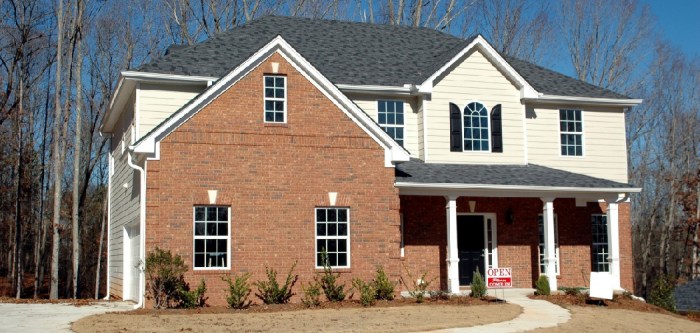
Brick houses offer a classic and timeless look that can be enhanced by choosing the right siding materials. Here are some options that complement brick exteriors:
1. Wood Siding
Wood siding is a popular choice that pairs well with brick houses, creating a warm and inviting aesthetic. Opt for natural wood tones like cedar or redwood to enhance the traditional charm of the brick.
2. Fiber Cement Siding
Fiber cement siding is a durable and low-maintenance option that complements the texture of brick exteriors. Choose neutral colors like gray or beige to create a cohesive look with the brick facade.
3. Stucco Siding
Stucco siding offers a smooth and modern contrast to the rough texture of brick, adding visual interest to the exterior. Consider earthy tones like taupe or sand to complement the natural look of brick.
4. Vinyl Siding
Vinyl siding is a cost-effective and versatile option that can mimic the appearance of wood or stucco. Opt for colors like white or cream to create a clean and fresh look when paired with brick.
5. Metal Siding
Metal siding, such as aluminum or steel, can provide a sleek and contemporary look when combined with brick exteriors. Choose metallic finishes like silver or bronze for a modern touch.Overall, when selecting a siding material to complement a brick house, consider the color, texture, and style to create a harmonious and visually appealing exterior.
Each type of siding material comes with its own maintenance requirements, so it's essential to choose a material that fits your lifestyle and budget while enhancing the beauty of your brick home.
Installation Process for Siding with Brick House
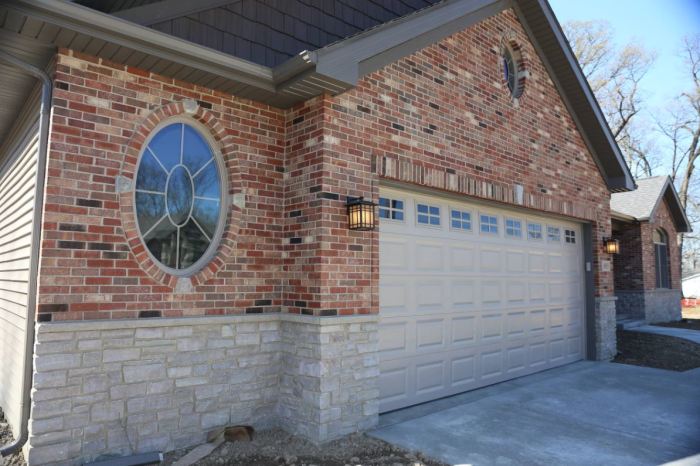
When it comes to installing siding alongside a brick exterior, there are specific steps and considerations to keep in mind to ensure a seamless integration between the two materials.To start the installation process, it is essential to carefully measure and prepare the brick surface.
Any repairs or cleaning that needs to be done should be addressed before moving forward with the siding installation.
Challenges and Considerations
- One of the main challenges when combining siding with brick is ensuring that the two materials blend well together aesthetically. Choosing the right color and texture of siding that complements the brick is crucial.
- Another consideration is the difference in expansion and contraction rates between brick and siding materials. Properly addressing these issues can prevent cracking or damage over time.
- Additionally, ensuring that the siding is securely attached to the brick surface without compromising the integrity of the brick is essential for a successful installation.
Tips for Seamless Integration
- Consult with a professional contractor or designer to help you choose the best siding material and color that will complement your brick exterior.
- Consider using a moisture barrier between the siding and brick to prevent any water infiltration that could cause damage to both materials.
- Properly seal the joints where the siding meets the brick to create a seamless transition and prevent any gaps or leaks.
Cost Considerations of Siding with Brick House
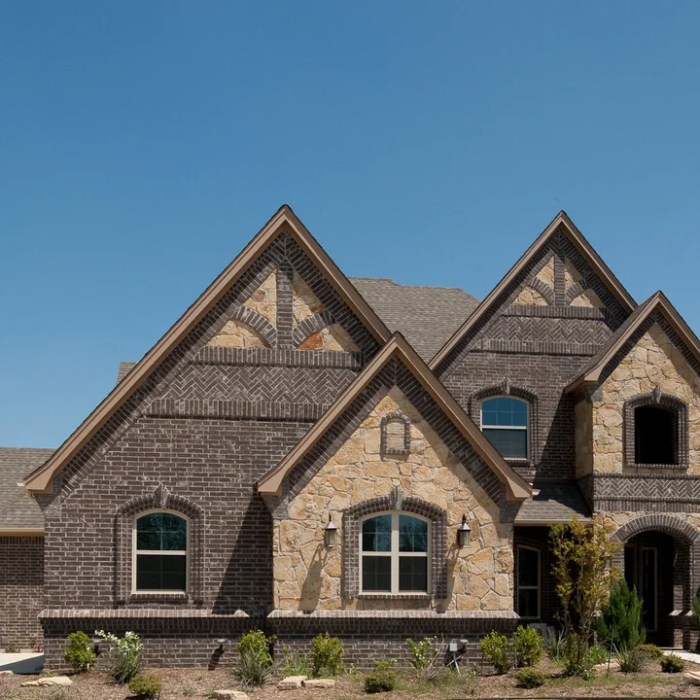
Brick siding is known for its durability and timeless appeal, but it comes at a cost. Let's explore the financial considerations of choosing brick siding for your house.
Comparing Costs with Other Siding Options
When comparing the cost of siding with brick to other siding options such as vinyl, wood, or fiber cement, brick tends to be on the higher end of the price spectrum. While brick siding may have a higher upfront cost, it offers long-term benefits that can outweigh the initial investment.
Factors Impacting Overall Cost
- Quality of Materials: The quality of the brick and the installation process can impact the overall cost of the project.
- Size of the House: The size of your house will also play a significant role in determining the cost of siding with brick.
- Design Complexity: Intricate designs or patterns may increase the cost of brick siding installation.
- Labor Costs: Labor costs for brick siding can vary depending on the location and the experience of the installers.
Long-Term Cost Benefits of Choosing Brick Siding
While the initial cost of brick siding may be higher than other options, it offers long-term cost benefits such as:
- Durability: Brick siding is known for its durability and can last for decades with minimal maintenance, reducing the need for frequent repairs or replacements.
- Energy Efficiency: Brick siding provides natural insulation, helping to regulate indoor temperatures and potentially lowering heating and cooling costs over time.
- Curb Appeal: The timeless and classic look of brick siding can increase the value of your home, offering a good return on investment if you decide to sell in the future.
Conclusive Thoughts
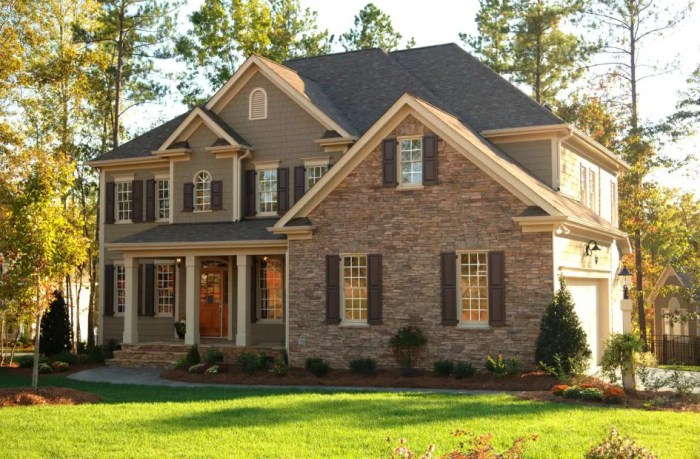
In conclusion, siding with brick houses presents a versatile and robust option for homeowners looking to elevate the exterior of their homes. By seamlessly integrating brick with siding, not only does it enhance the durability and energy efficiency, but it also adds a touch of timeless elegance to any architectural design.
Helpful Answers
What are the main benefits of using brick siding?
Brick siding offers exceptional durability, a classic aesthetic appeal when combined with other siding materials, and energy efficiency advantages.
Which siding materials complement brick houses well?
Materials like vinyl, fiber cement, and wood siding work harmoniously with brick exteriors, enhancing the overall look of the house.
What factors can impact the cost of siding with brick?
The type of siding material chosen, the size of the project, and any additional customization can influence the overall cost of siding with brick.