
Virtual interior design opens up a realm of creativity and innovation, revolutionizing the way we envision and create living spaces. From virtual consultations to cutting-edge software, this field offers a unique blend of technology and design expertise. Let's delve into the fascinating world of virtual interior design.
Introduction to Virtual Interior Design
Virtual interior design is a service that allows individuals to visualize and design their living spaces digitally before making any physical changes. By using specialized software and platforms, users can experiment with different layouts, furniture, colors, and decor elements to create their ideal space.
Benefits of Virtual Interior Design Services
- Cost-effective: Virtual interior design eliminates the need for expensive mistakes by allowing users to preview designs before implementation.
- Convenience: Users can access virtual interior design services from the comfort of their homes, saving time and effort.
- Personalization: Virtual design platforms offer a wide range of customization options to tailor the design to individual preferences.
- Collaboration: Users can easily share their designs with designers, friends, or family members for feedback and input.
Examples of Virtual Interior Design Platforms or Software
- Modsy: A popular virtual interior design platform that offers 3D room renderings and personalized design recommendations.
- Havenly: An online interior design service that matches users with professional designers to create customized room designs.
- SketchUp: A 3D modeling software commonly used by interior designers to create detailed virtual representations of spaces.
Virtual Interior Design Process
In virtual interior design, the process involves several key steps from consultation to final design delivery. Through virtual platforms, interior designers can work with clients remotely to transform their spaces according to their preferences and needs.
Virtual Interior Design Consultations
Virtual interior design consultations are typically conducted through video calls, where the designer and client can discuss project requirements, budget, timeline, and design preferences. These consultations allow for a personalized approach to creating a design plan that suits the client's style and vision.
Communicating Preferences Virtually
Clients can communicate their preferences virtually through mood boards, inspiration images, and detailed descriptions of their likes and dislikes. Virtual platforms often include features that allow clients to share their ideas, color preferences, furniture choices, and other design elements with the designer seamlessly.
This helps in ensuring that the final design aligns with the client's taste and requirements.
Tools and Technologies for Virtual Interior Design
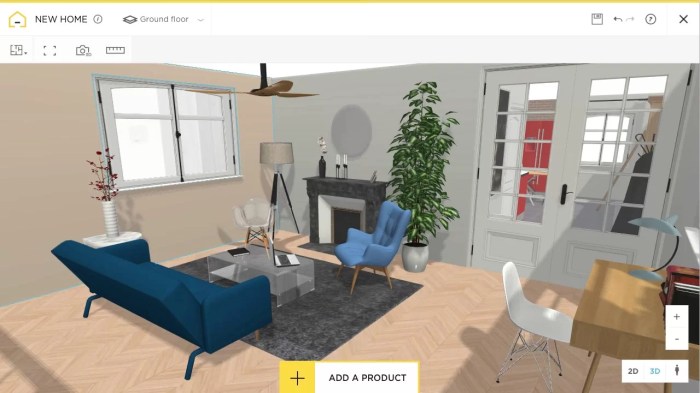
Virtual interior design relies on a variety of tools and technologies to bring designs to life and create immersive experiences for clients. From software applications to cutting-edge technologies like augmented reality (AR) and virtual reality (VR), these tools play a crucial role in the design process.
Software Options for Virtual Interior Design
In virtual interior design, there are several software options available to designers to create 2D and 3D renderings of spaces. Some popular software includes:
- AutoCAD: Widely used for creating precise 2D and 3D models of interior spaces.
- SketchUp: Known for its user-friendly interface and ability to create detailed 3D models.
- Revit: Ideal for creating building information models (BIM) for interior design projects.
- Adobe Photoshop: Used for editing and enhancing images to visualize design concepts.
Augmented Reality (AR) and Virtual Reality (VR) in Virtual Interior Design
Augmented reality (AR) and virtual reality (VR) are revolutionizing the way interior designers showcase their work to clients. AR allows designers to overlay digital elements onto the real world, giving clients a more interactive experience. On the other hand, VR immerses clients in a completely virtual environment, allowing them to walk through and experience a design before it's even built.
These technologies help clients better understand the design vision and make more informed decisions.
Collaborating with Virtual Interior Designers
Collaborating with virtual interior designers is a crucial aspect of ensuring the success of your interior design project. Effective communication, clear feedback, and a collaborative approach are key to achieving the desired results.
Tips for Effective Communication
- Clearly communicate your design preferences, style, and vision for the space to the virtual interior designer.
- Provide feedback promptly and be specific about what you like or dislike in the design proposals.
- Utilize virtual communication tools such as video calls, emails, and messaging platforms to stay connected with the designer.
- Ask questions and seek clarification whenever needed to ensure both parties are on the same page.
- Be open to suggestions and ideas from the designer while also expressing your own thoughts and concerns.
Handling Revisions and Feedback
- Virtual interior design projects often involve multiple revisions based on client feedback.
- Clearly Artikel your feedback in detail, pointing out specific elements you want to be changed or improved.
- Discuss the revisions with the designer and collaborate on finding the best solutions to address any concerns.
- Set realistic timelines for revisions and ensure that both parties agree on the changes before moving forward with the design process.
- Maintain open and constructive communication throughout the revision process to achieve the desired outcome for your interior design project.
Challenges and Limitations of Virtual Interior Design
Virtual interior design, while offering many benefits, also comes with its own set of challenges and limitations that designers and clients need to be aware of.
Communication Barriers
One of the main challenges in virtual interior design is the potential for miscommunication between designers and clients. Without face-to-face interactions, it can be difficult to fully understand the client's vision and preferences. This can lead to misunderstandings and ultimately result in a design that does not meet the client's expectations.
To overcome this challenge, virtual interior designers can utilize detailed questionnaires, virtual mood boards, and regular video calls to ensure clear communication throughout the project.
Limited Physical Interaction
Another limitation of virtual interior design is the lack of physical interaction with the space. Designers may struggle to accurately assess the scale, lighting, and overall ambiance of a room without physically being present. To address this limitation, designers can request detailed measurements and photos from clients, use advanced rendering software to create realistic 3D models, and even consider virtual reality technology for a more immersive experience.
Technical Issues
Technical issues such as slow internet connection, software glitches, or compatibility problems can also pose challenges in virtual interior design projects. These issues can cause delays in project timelines and hinder the design process. To mitigate technical challenges, designers should ensure they have a reliable internet connection, regularly update their software, and provide clear instructions to clients on how to use virtual design tools effectively.
Lack of Hands-On Collaboration
In traditional in-person interior design services, designers and clients can physically collaborate on furniture placement, material selection, and other design elements. In virtual interior design, this hands-on collaboration is limited, making it challenging to make real-time adjustments and decisions. Designers can overcome this limitation by scheduling virtual design presentations, encouraging clients to provide feedback promptly, and offering detailed design proposals with multiple options for clients to choose from.
Closing Summary
In conclusion, virtual interior design is not just a trend but a transformative approach to designing spaces. Embracing the challenges and harnessing the possibilities of virtual tools can lead to stunning results that cater to individual preferences and needs. Dive into the virtual realm of interior design and unlock a world of limitless possibilities.
General Inquiries
What is virtual interior design?
Virtual interior design involves the use of digital tools and software to create and visualize interior spaces.
How can clients communicate their preferences virtually?
Clients can communicate their preferences through virtual mood boards, online meetings, and detailed descriptions of their vision.
What are the limitations of virtual interior design?
Virtual interior design may have limitations in accurately representing textures and materials compared to in-person experiences.